
Eco-Friendly Period Products: Are They Worth the Switch?|Chinaza James-Ibe
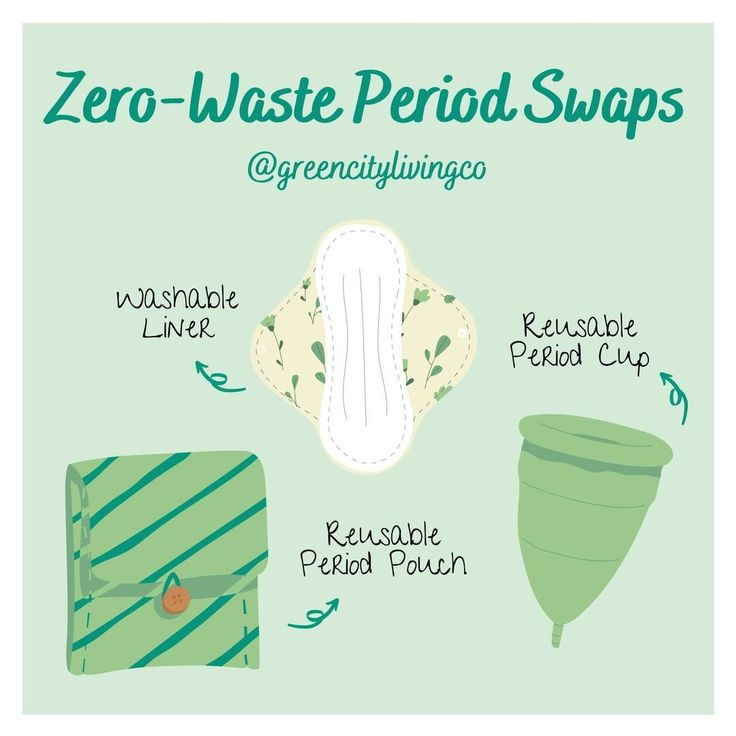
Every month, billions of disposable pads and tampons are used around the world, generating vast amounts of plastic, packaging, and non-biodegradable waste. For many, switching to eco-friendly period products—such as menstrual cups, reusable pads, or period underwear—offers a way to reduce this environmental impact while potentially saving money. However, the decision also involves factors like comfort, hygiene, and accessibility. This essay compares these three popular sustainable options in terms of cost, comfort, and environmental impact, and evaluates whether they are worth the switch for most users.
Cost
One of the biggest advantages of switching to reusable menstrual products is the long-term cost savings. Disposable pads and tampons must be bought monthly, which adds up significantly over a lifetime. In contrast, menstrual cups, which cost between $20–$40 (or ₦5,000–₦6,000), can last 5 to 10 years with proper care. Similarly, a set of reusable cloth pads or period underwear may cost more up front, but they are designed to be reused for years, dramatically lowering cost per use.
As Greenwashing Index notes, even though reusable products like cups or cloth pads require initial investment, they are more economical in the long run than buying disposables monthly. For example, one menstrual cup used for 10 years can replace hundreds of tampons or pads. A Pulse Nigeria article also emphasizes that although cups are more expensive upfront, they can be more affordable over time for Nigerian users, especially those with limited access to affordable disposables.


Comfort and Practical Use
Comfort and usability vary depending on the product and the user’s preferences.
- Menstrual cups are inserted like tampons and form a seal inside the vagina. After a brief adjustment period, many users find them comfortable and leak-proof for up to 12 hours. However, Mass General’s Center for Environment and Health notes that cups may be intimidating at first due to the learning curve around insertion and removal. Still, users often report higher satisfaction with cups over time.
- Reusable pads are external and less invasive, making them appealing for those who find internal products uncomfortable. They are typically made from absorbent, breathable fabric. However, they may feel bulky under tight clothing, and frequent changes are necessary for heavy flow. Washing and drying can also be inconvenient in humid or low-water environments.
- Period underwear works like regular underwear, with built-in absorbent layers. They are especially popular for light to medium flow days or as backup protection. While many users find them discreet and comfortable, others report that they take time to dry and can feel damp if worn too long. The Guardian notes that high-quality period underwear can last up to two years but often costs more per pair than other options.
All reusable options require proper cleaning. Cups need to be rinsed and occasionally sterilized. Pads and period underwear must be washed thoroughly and dried completely to avoid odor or bacterial growth. These hygiene needs can make reusables less suitable in areas without access to clean water or privacy.
Environmental Impact
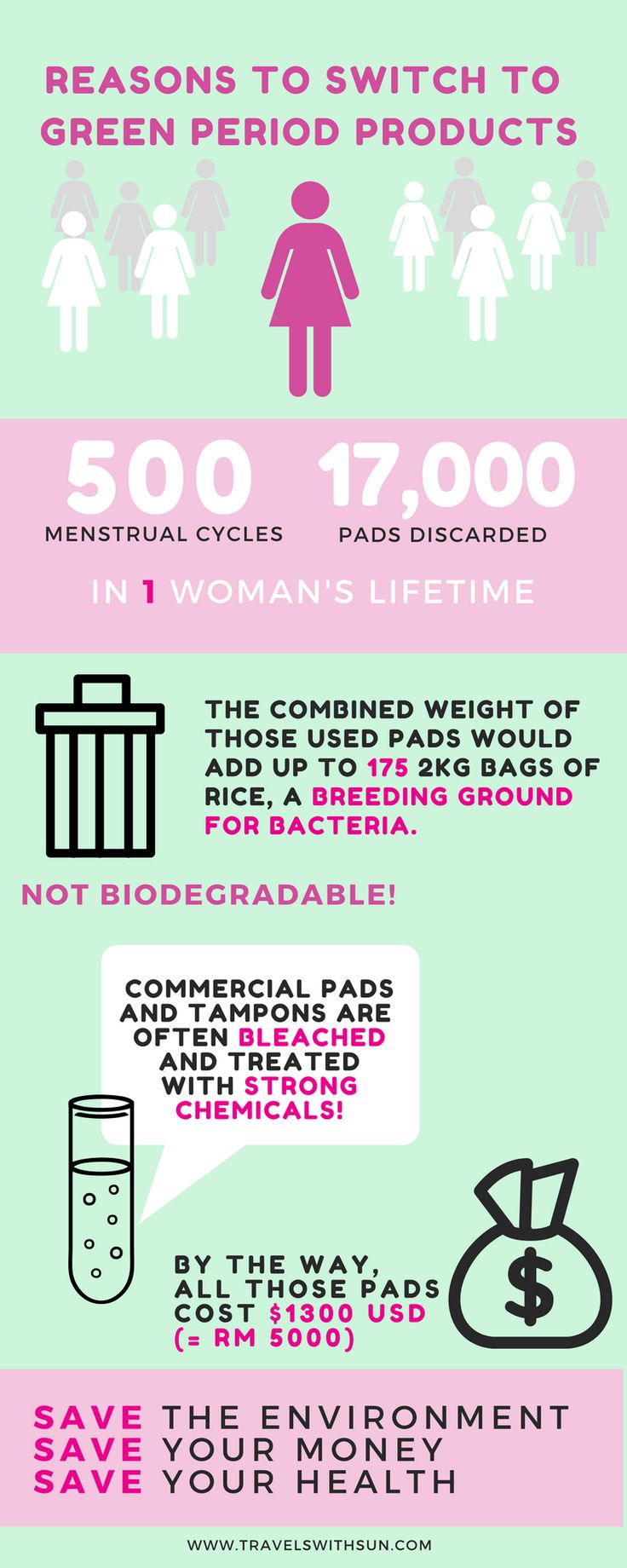
The environmental case for switching to reusables is compelling. Disposable pads and tampons often contain plastics, adhesives, and synthetic fibers that take centuries to break down. They also generate waste through wrappers, applicators, and packaging.
Menstrual cups have the lowest environmental footprint of all options. A Stanford Gendered Innovations study shows that menstrual cups, over a ten-year span, generate only a fraction of the waste and emissions of disposables. One cup can replace up to 2,400 pads or tampons.
Reusable pads and period underwear also drastically reduce waste, but their impact depends on how they are cleaned. A UNEP–Life Cycle Initiative report highlights that sustainable washing practices—cold water, full laundry loads, and line drying—are essential to maximizing the environmental benefit of these products.
According to Reloop Platform, disposable menstrual products create about 590,000 tons of waste annually in Europe alone. In contrast, menstrual cups produce only 0.4% of the plastic waste compared to 12 disposable pads per period. Over five years, switching to a cup can save 26.1 kg of CO₂e emissions, significantly lowering a user’s carbon footprint.
Weighing the Trade-Offs
Despite the clear long-term benefits, reusable products are not ideal for everyone. Key trade-offs include:
- Upfront cost (which may be prohibitive for some, despite long-term savings)
- Maintenance requirements, including access to water, drying space, and storage
- Learning curve, especially with cups
- Suitability for heavy flows, where some may need to combine products (e.g., a cup and backup pad)
Thus, the decision to switch depends on individual needs, comfort levels, and local infrastructure. For many, a hybrid approach—using a combination of reusable and disposable products—is a practical transitional step.
Eco-friendly period products offer substantial advantages in reducing waste, saving money, and promoting sustainable menstrual health. Among available options, menstrual cups tend to be the most cost-effective and environmentally friendly, followed by reusable pads and period underwear. However, comfort and convenience remain subjective, and infrastructure like access to clean water and private washrooms can influence feasibility. With proper education, gradual adjustment, and support, more individuals may find these sustainable alternatives well worth the switch.
Works Cited
Greenwashing Index. “Traditional vs Reusable Period Products.” Greenwashing Index, https://www.greenwashingindex.com/traditional-vs-reusable-period-products/. Accessed 20 Oct. 2025.
Pulse Nigeria. “Menstrual Cup vs Pad: Which Is Better?” Pulse Nigeria, 3 Mar. 2025, https://www.pulse.ng/articles/pulse-picks/menstrual-cup-vs-pad-which-is-better-2025030309043484459. Accessed 24 Oct. 2025.
Massachusetts General Hospital Center for the Environment and Health. “Menstrual Products and the Environment.” Mass General Brigham, https://www.massgeneral.org/assets/MGH/pdf/environment-and-health/menstrual-products.pdf. Accessed 24 Oct. 2025.
The Guardian. “The Rag Trade: Why Reusable Period Products Are a Bloody Good Idea.” The Guardian, 27 Sept. 2025, https://www.theguardian.com/australia-news/2025/sep/27/best-reusable-period-products-available-which-to-use. Accessed 20 Oct. 2025.
Gendered Innovations. “Menstrual Cups: Life-Cycle Assessment.” Stanford University, https://genderedinnovations.stanford.edu/case-studies/menstrualcups.html. Accessed 23 Oct. 2025.
Life Cycle Initiative. “Menstrual Products and Sustainable Alternatives Report 2021.” UNEP Life Cycle Initiative, https://www.lifecycleinitiative.org/menstrual-products-and-sustainable-alternatives-report-2021/. Accessed 22 Oct. 2025.
Reloop Platform. “The Environmental & Economic Costs of Single-Use Menstrual Products, Baby Nappies & Wet Wipes.” Reloop Platform, 2019, https://www.reloopplatform.org/wp-content/uploads/2023/05/bffp_single_use_menstrual_products_baby_nappies_and_wet_wipes-1.pdf. Accessed 22 Oct. 2025
Every month, billions of disposable pads and tampons are used around the world, generating vast amounts of plastic, packaging, and non-biodegradable waste. For many, switching to eco-friendly period products—such as menstrual cups, reusable pads, or period underwear—offers a way to reduce this environmental impact while potentially saving money. However, the decision also involves factors like comfort, hygiene, and accessibility. This essay compares these three popular sustainable options in terms of cost, comfort, and environmental impact, and evaluates whether they are worth the switch for most users.