
Cross-Platform Content Strategies for Consistent Branding
Many businesses mistake branding for an unnecessary adventure in finance. A business's brand, however, is like the receptionist who is the face of an organization—whatever the receptionist provides paints a picture of the organization, even before any further interactions with the business.
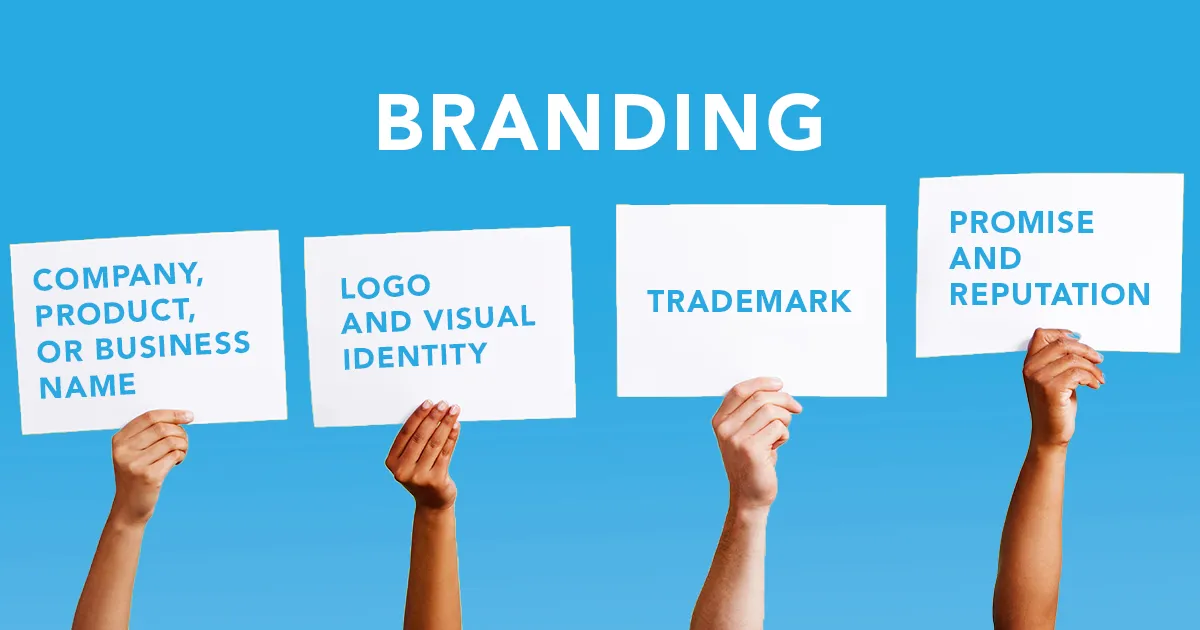
A brand is the public’s perception of a business—an opinion on what services or utilities the business provides, as well as the customer-staff relationship the business provides. A business’s brand is framed by articles, logos, what people say, and interactions between the public and your business. Hence, a brand equals visual identity.
Brand Identity
As a business owner, it is beneficial to influence the public’s opinion of your business, and this is achieved through branding. What does the public think about your reception of customers and potential customers? What do they think about your products even before encountering your product? Do they think your business is affordable? How do these influence your potential customers and clients? All these and more are questions to keep in mind when branding your business.

Brand identity is the sum of all elements that constitute a brand’s visual statement. It is the totality of what makes up a brand’s communication with the public and its audience. These elements include but are not limited to logos, fonts, colors, icons, illustrations, etc., and are applied on business cards, brochures, signs, and illustrations. It is important to hire the services of a brand identity designer when developing a brand for your business, as they have remarkable expertise in employing strategies from the brand style guide.
Brand Consistency & Content Tailoring Across Different Platforms


Branding, being a trademark for a business, transcends physical elements and presence to digital presence. Whether a business offers consultation services or products is recognized from their online presence across different platforms. Because social media apps have different audiences, they have different purposes. LinkedIn, compared to TikTok, is a professional platform for employment opportunities, while the latter thrives on content creation.
How To Achieve Consistent Branding Across Different Platforms
- Hire or personally create a brand guideline: These include brand logo, icons, fonts, etc.
- Use the same voice across different platforms: if your voice is promising on TikTok, repeat it on LinkedIn, professionally.
- Check the statistics of your performance across different platforms and readjust where necessary.
- Learn and relearn: Train yourself and your team to recognize trends and leading changes in content across different platforms. This way, you stay up-to-trend for relevance.
Below are the reasons for having consistent branding across different platforms.
- Brand consistency fosters trust for customer-business relationships.
- It boosts brand recognition and identity.
- It increases marketing efficiency.
Photo credits:
Brandingcompass.com
jessicajonesdesign.com
References:
Marq.com
Pandoraagency.com
Litmusbranding.com