How Climate Change is Altering Global Water Cycles| Chinecherem Enujioke
The reason why you feel so hot nowadays, even when your car AC is working, or why the rivers, streams, and lakes in your villages are drying up is precisely the effects of global warming. Like living in a vicious cycle, environmental pollution causes environmental degradation, which leads to global warming. Global warming then begins to affect the climate of our world as the environment adjusts to balance these changes. Climate change wreaks immeasurable damage on the environment and water cycle, causing unpredictable rainfall patterns, shrinking ice levels, floods, droughts, and destabilizing aquatic and terrestrial ecosystems.
The water cycle intensifies and causes an increasing evaporation of water vapor into the atmosphere, thus warmer air. In most places like Nigeria, where there is seasonal precipitation, these places are experiencing unfamiliar precipitation with erratic changes between these events. Places with a previous history of decreased precipitation are having increased precipitation and vice versa. In regions like eastern Australia, northeastern South America, and western Africa with previous increases in precipitation, there are longer dry spells and shorter dry spells in larger regions of West Africa.


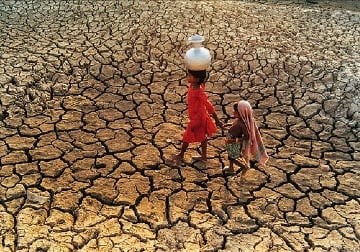
These changes affect not just water resources for livelihood, but also oceans, temperature, health, etc. UNICEF reports that a change in climate begins with a change in water, which is detrimental to the growth and development of children. Increasingly changing water patterns make access to clean water difficult. Where there is low access to water, unsafe water, or even a scarcity of it, diseases like cholera and typhoid fever thrive.
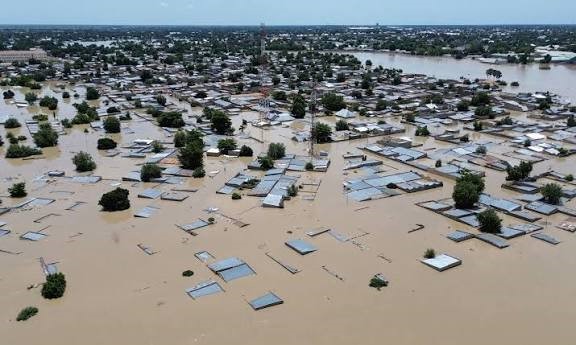
Rising temperature causes pathogens in safe water, and alongside that, rising sea levels also expose freshwater to saltiness. Where water is inaccessible, sanitation becomes unavailable. Most importantly, rising sea levels cause natural disasters, e.g., the September 2024 Maiduguri flooding, which submerged over 40% of the town, killing about 70 people and displacing over 300,000. According to UN, ‘limiting global warming to 1.5°C compared to 2°C would approximately halve the proportion of the world population expected to suffer water scarcity, although there is considerable variability between regions.’
Therefore, until we combat the causes of climate change and enforce policies to safeguard our environment, the water cycle will continue to be disrupted.
References:
Un.org