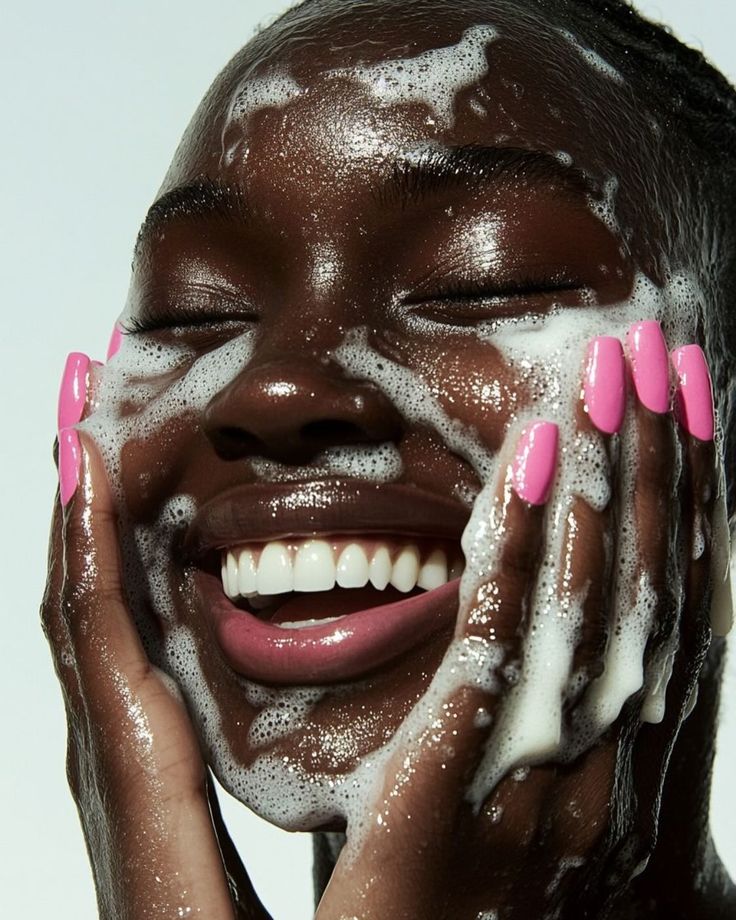
The Glow of Hydration: Why Moisturizing Is a Game-Changer|Chinaza James-Ibe
If there’s one universal truth in skincare, it’s that hydration is non-negotiable. From the minimalist who swears by a two-step routine to the enthusiast who layers ten products nightly, moisturizing sits at the heart of healthy skin care. It delivers cosmetic radiance while also preserving the skin’s integrity, protecting against environmental damage, and fostering resilience over time.
Why Hydration Matters
Skin is our body’s largest organ and its first line of defense against external aggressors. Dust, UV radiation, harsh climates, stress, and even poor sleep—each of these challenges compromises the skin barrier. Hydration acts like the armor that keeps this shield strong.
When skin is well-hydrated:
- The barrier function is more effective at keeping irritants and pollutants out.
- Skin maintains elasticity, reducing the likelihood of micro-tears and fine lines.
- Natural processes like cell turnover and repair happen more efficiently.
- The complexion looks smoother, plumper, and more radiant.
Dehydration, by contrast, leads to tightness, flakiness, dullness, and exaggerated signs of aging. Even oily skin, often mistakenly thought to “not need moisturizer,” can suffer from dehydration. In fact, when oily skin lacks water, sebaceous glands can overcompensate with excess oil, leading to clogged pores and breakouts. Hydration, therefore, is essential for everyone, regardless of skin type.


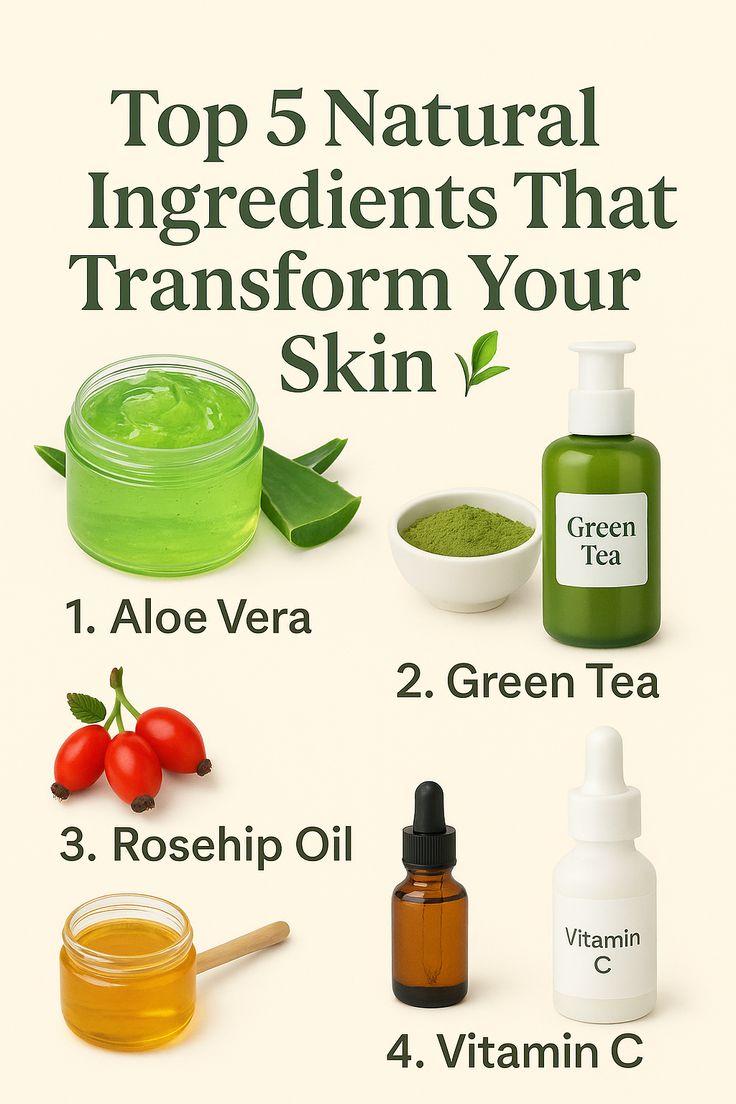
Classic Ingredients That Changed the Game
The science of moisturizers has evolved dramatically, but a few classic ingredients continue to anchor formulations across decades.
1. Glycerin
A true staple, glycerin is a humectant—meaning it attracts water from the environment and deeper layers of the skin into the outer layer, keeping it supple. Affordable and effective, it has been used in skincare for centuries, appearing in everything from drugstore creams to luxury serums.
2. Hyaluronic Acid (HA)
Though naturally present in the body, levels of hyaluronic acid decline with age. Each HA molecule can hold up to 1,000 times its weight in water, which explains its legendary reputation for instantly plumping and smoothing. From lightweight serums for oily skin to rich creams for dry types, HA adapts seamlessly to nearly every routine.
3. Occlusives and Emollients
Ingredients like petrolatum, shea butter, and squalane work differently from humectants. Instead of pulling water in, they seal it in, preventing transepidermal water loss (TEWL). For dry and sensitive skin types, these are heroes, helping to reinforce the lipid barrier and provide long-lasting comfort.
The synergy between humectants, emollients, and occlusives is what makes a moisturizer truly effective. Think of hydration like a three-step dance: draw water in (humectants), smooth and soften (emollients), then lock it down (occlusives).
Trends That Celebrated Moisture
Hydration has never gone out of style, but certain skincare and beauty movements have brought it center stage.
The “Dewy Skin” Aesthetic
Popularized by Korean beauty (K-beauty) in the late 2000s and early 2010s, “dewy skin” became shorthand for radiance, youth, and vitality. Instead of matte, powdery complexions, people aspired to luminous, glassy finishes. Products featuring hydrating toners, essences, and sheet masks surged in popularity. The look wasn’t limited to makeup—it began with deeply moisturized skin.
Minimalism and Skin Health
In contrast to the heavy contouring trends of the mid-2010s, recent years have seen a return to skin health as the star of beauty routines. Campaigns celebrating “skinimalism” emphasize fewer products but higher-quality hydration. Serums with hyaluronic acid, niacinamide, or ceramides dominate, proving that glowing skin often requires less coverage when it is consistently hydrated.
Cultural Symbolism of Radiant Skin
Across many cultures, a hydrated, glowing complexion has historically symbolized health, vitality, and attractiveness. In East Asia, porcelain-like luminosity was associated with refinement and care. In the West, the bronzed, glowing look of the early 2000s conveyed a lifestyle of leisure and well-being. Despite stylistic differences, the underlying theme was the same: hydrated skin reflects life and vitality.
Moisturizing for Every Skin Type
One of the most persistent myths is that only dry skin needs moisture. In reality, all skin types—oily, combination, sensitive, mature—benefit from hydration, though the textures and formulations may differ.
- Dry skin often needs richer creams with occlusives and emollients.
- Oily skin fares better with lightweight, gel-based formulas rich in humectants like hyaluronic acid.
- Combination skin benefits from balancing moisturizers—hydrating but non-greasy.
- Sensitive skin leans on soothing, fragrance-free options with ingredients like ceramides or aloe vera.
- Mature skin often requires targeted hydration to combat thinning and loss of elasticity, making HA and peptides valuable allies.
In every case, moisturizing prevents the cascade of problems dehydration creates. Even a single layer of the right product can transform the skin’s texture and resilience.
Beyond Products: Lifestyle Hydration
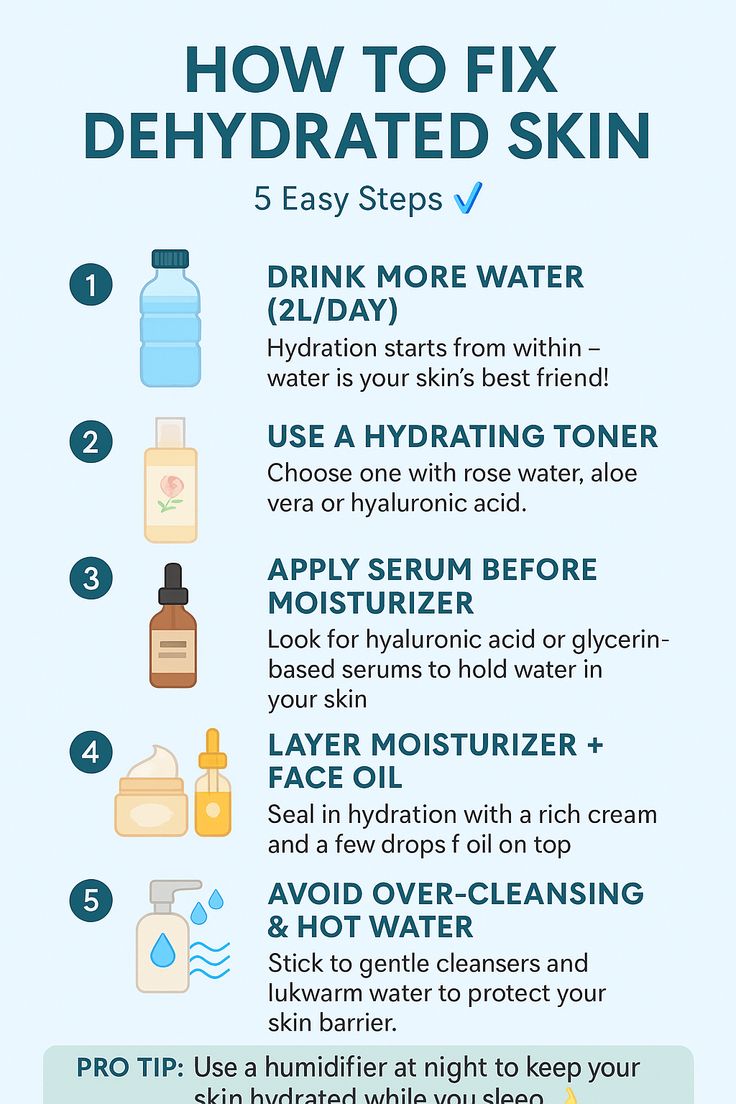
True hydration doesn’t stop at the bathroom shelf. Drinking adequate water, maintaining a balanced diet rich in omega-3 fatty acids, limiting alcohol and caffeine, and protecting skin from excessive sun exposure all contribute to hydrated, resilient skin. Topical moisturizers lock in external hydration, while lifestyle choices ensure there’s water available in the first place.
The Future of Hydration
Skincare science continues to evolve, but hydration remains a central pillar. Advances include cross-linked hyaluronic acids that last longer in the skin, biomimetic lipids that mimic natural barrier functions, and even microbiome-friendly formulations that support the skin’s ecosystem. Each innovation reinforces the same core truth: hydrated skin is healthy skin.
Moisturizing forms the foundation of skin vitality. From glycerin to hyaluronic acid, from the dewy skin movement to today’s minimalist emphasis on health, hydration has been the one constant in evolving trends. No matter your skin type, moisturizing transforms skin from stressed and vulnerable to resilient and radiant.
The glow of hydration represents balance, health, and care. In a world of fleeting fads, moisturized skin will always be timeless.