
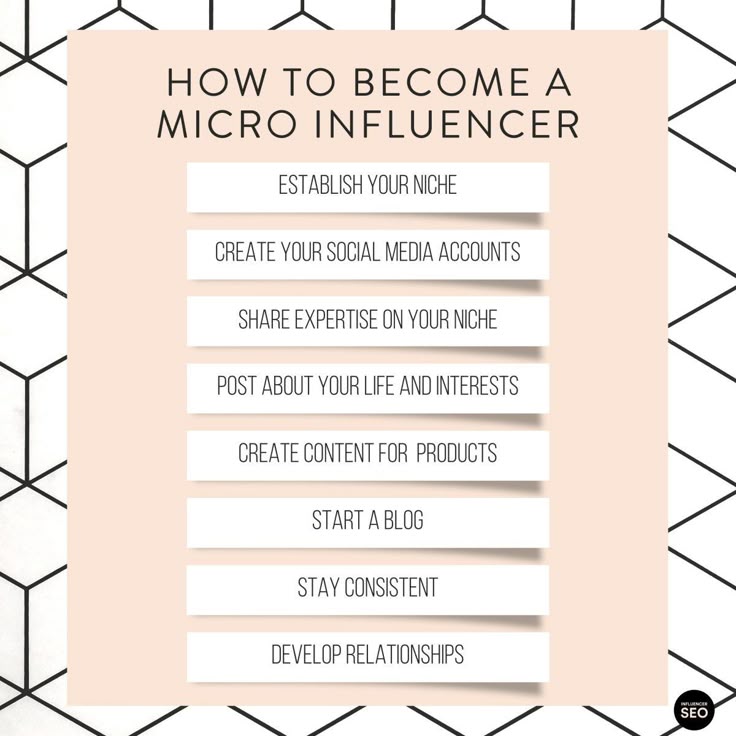
The Power of Micro-Influencers in Niche Marketing
In today’s saturated digital marketplace, brands are increasingly turning to micro-influencers—individuals with smaller, highly engaged followings (typically between 1,000 and 100,000 followers)—to reach niche audiences. These influencers often have deep, authentic connections with their communities, making them powerful allies for businesses looking to drive brand awareness and conversions in specific market segments.

Why Micro-Influencers Matter in Niche Marketing
1. Higher Engagement Rates: Micro-influencers generally boost higher engagement rates than their macro counterparts. Their smaller audiences are more likely to trust their recommendations, interact with content, and follow through with actions like visiting a website or making a purchase.
2. Authenticity and Trust: Followers often view micro-influencers as peers rather than celebrities. This relatability translates into stronger trust in the products and services they endorse.
3. Cost-Effective Campaigns: Partnering with micro-influencers is typically more affordable than working with large influencers or running broad advertising campaigns. Brands can often collaborate with several micro-influencers for the cost of a single macro-influencer, extending their reach across multiple niche communities.
4. Targeted Reach: Micro-influencers often cater to very specific interests—such as sustainable fashion, indie beauty, craft coffee, or local travel—which allows brands to directly access and resonate with those niche audiences.
How to Leverage Micro-Influencers Effectively
1. Identifying the Right Influencers
- Use influencer marketing platforms like Upfluence or Heepsy to search based on location, niche, audience demographics, and engagement rate.
- Look for alignment in tone, aesthetic, and values between your brand and the influencer.
- Analyze past content and engagement to ensure authenticity and real audience interaction.
2. Collaborating Strategically
- Personalize your outreach. Demonstrate that you’re familiar with their content and explain why the partnership is a good fit.
- Offer creative freedom. Influencers know how to engage their audience best, so let them tailor the message in their own voice.
- Structure mutually beneficial deals—compensation can include payment, free products, affiliate commissions, or long-term brand ambassadorships.
3. Measuring Success
- Track KPIs: Use trackable links (UTMs), unique discount codes, or affiliate links to monitor conversions and sales.
- Engagement Metrics: Monitor likes, comments, shares, and saves to assess audience interaction.
- Brand Sentiment: Analyze qualitative feedback in comments and DMs to understand how the campaign is resonating.
- Audience Growth: Measure follower increases and web traffic during and after the campaign.
Micro-influencers offer a powerful way to tap into dedicated niche communities with authenticity, affordability, and measurable results. When chosen and managed thoughtfully, these partnerships can amplify your brand message in ways that traditional advertising simply can’t match.
For deeper insights into micro-influencer marketing strategy, check out this HubSpot guide to influencer marketing.